Current Research Areas
Our interdisciplinary approach combines developmental psychology, cognitive neuroscience, and social psychology

Social Connection in Adolescence
Adolescence is an important time in the development of social connections. It is also a vulnerable time for those who have difficulty forming or maintaining social connections, such as those on the autism spectrum. We are investigating biological, cognitive, and social factors that contribute to the development of loneliness among teens on and not on the autism spectrum.
fMRIEMABehavioral
Comunity-Engaged Autism Research
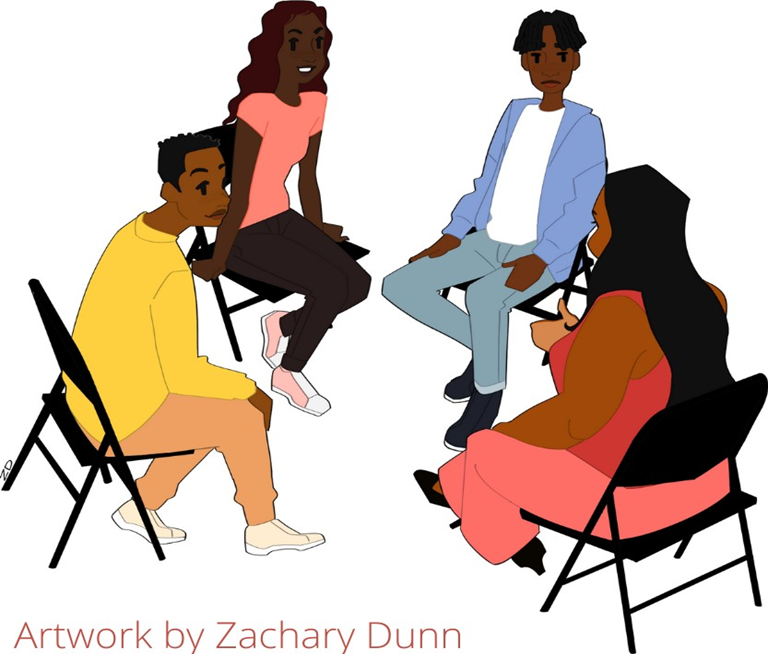
Autistic and autistic-stakeholder voices are often not heard when developing research questions or services for autism. This problem is even greater in autistic communities of color, who can have different challenges and needs, and face greater barriers to receiving support. We are conducting focus groups and interviews with local autistic teens and family members to better understand their experiences and needs and have their voices help shape our research agenda.
Cross-culturalInterviews
Neural Synchrony
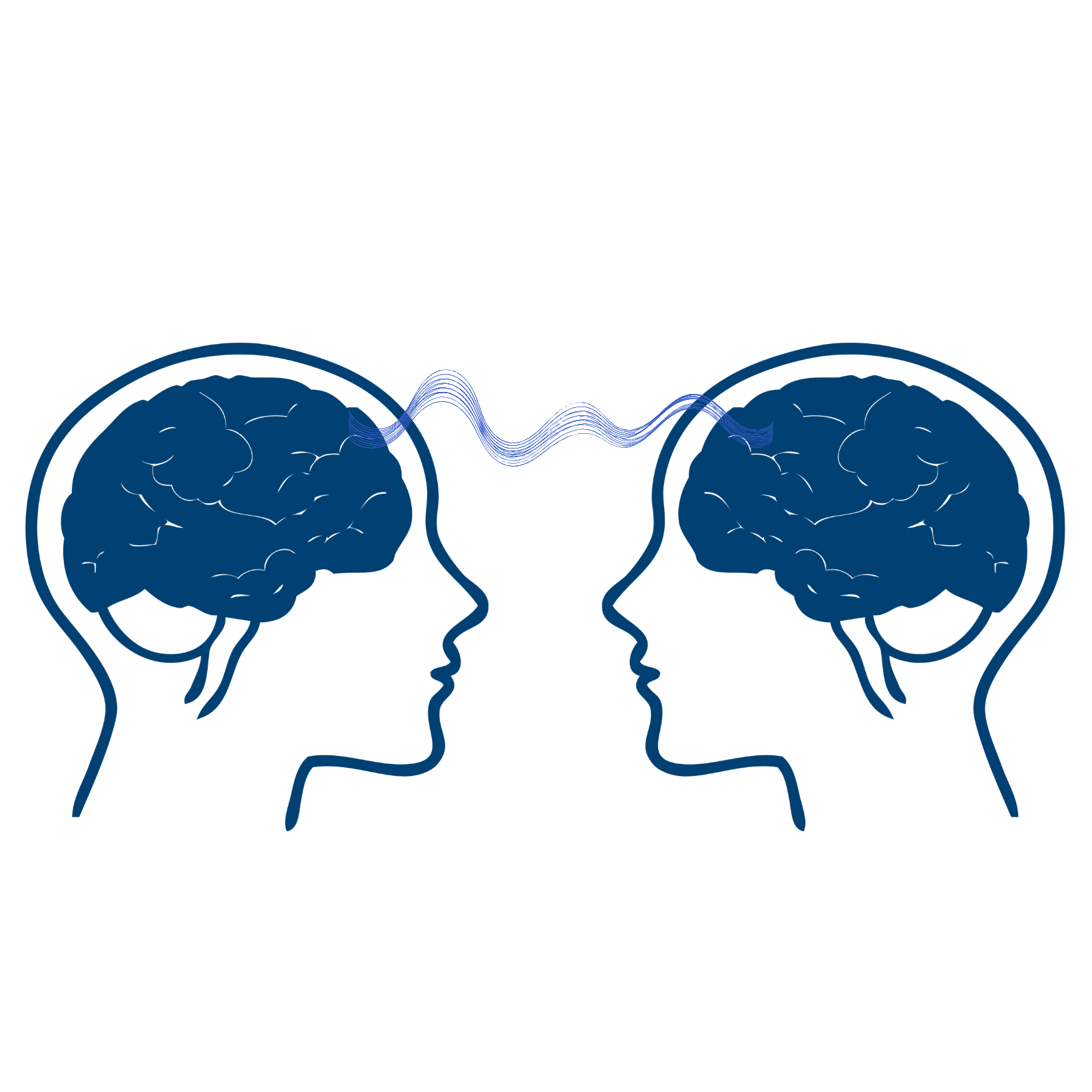
Birds of a feather flock together, but are their social interactions better? We are examining how an individual's neural synchronyy with their social partner and their ability to read other's intentions (or "mentalizing") relate to social interaction success in college students.
fNIRSEye-trackingBehavioral